
Energy-Efficiency Credits Still Available for 2026 Returns
By Antonio Del Cueto, CPA, Controller, Taxfyle on January 12, 2026
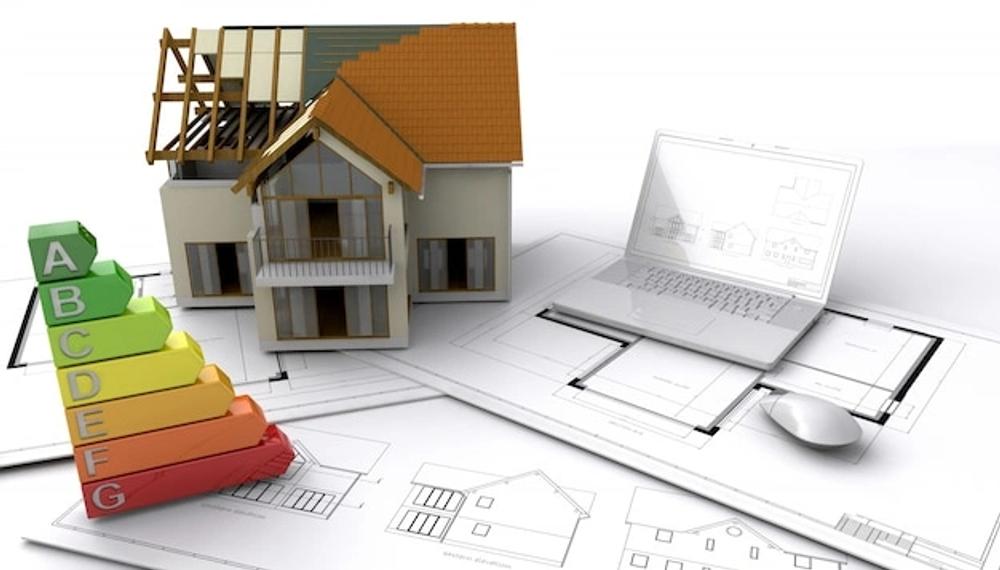
Do the new provisions introduced by the One Big Beautiful Bill Act help or harm consumers? That is the central question when analyzing the energy efficiency credits 2026, which are tax benefits that allow households to deduct part of their investments in energy improvements. For many taxpayers, these credits represent an opportunity to reduce taxes while also lowering long-term energy expenses. However, they also raise questions about accessibility, requirements, and deadlines that may condition their true impact on personal finances.
On one hand, keeping the energy efficiency credits available in 2026 is a clear advantage: consumers who invest in more efficient windows, solar panels, or modern HVAC systems can recover part of the expense through tax deductions. This measure encourages the adoption of sustainable technologies and helps balance family budgets. On the other hand, credit limits and specific IRS conditions mean that not everyone can easily access them.
The answer, then, depends. For those with resources and plans for home improvements, these provisions are an opportunity. For those facing tighter incomes, it may become an additional pressure. The key to knowing where you stand is understanding how the credits work and what strategies to apply.
What is energy efficiency?
Energy efficiency means using fewer resources to achieve the same result, reducing costs and waste. In daily life, it can be seen in simple actions such as improving home insulation, installing LED lighting, or choosing modern appliances. Home energy efficiency has become a strong concept today, associated with comfort and savings: an efficient home not only consumes less, it also offers greater stability against rising utility rates.
In households, energy efficiency combines technology and habits. Turning off unused devices, sealing air leaks, or investing in efficient HVAC systems are practical examples. These improvements, in addition to generating immediate savings, are often accompanied by support programs or tax incentives that make it easier for families to invest in sustainable solutions.
From a financial perspective, energy efficiency connects directly with tax benefits. Many taxpayers wonder how to access them, and the answer lies in knowing how to get energy efficiency credits. Installing certified windows, upgrading HVAC systems, or incorporating renewable energy sources are investments that can qualify for tax credits. The biggest challenge is how to integrate these decisions into everyday life.
Energy-efficiency credits: which remain in 2026?
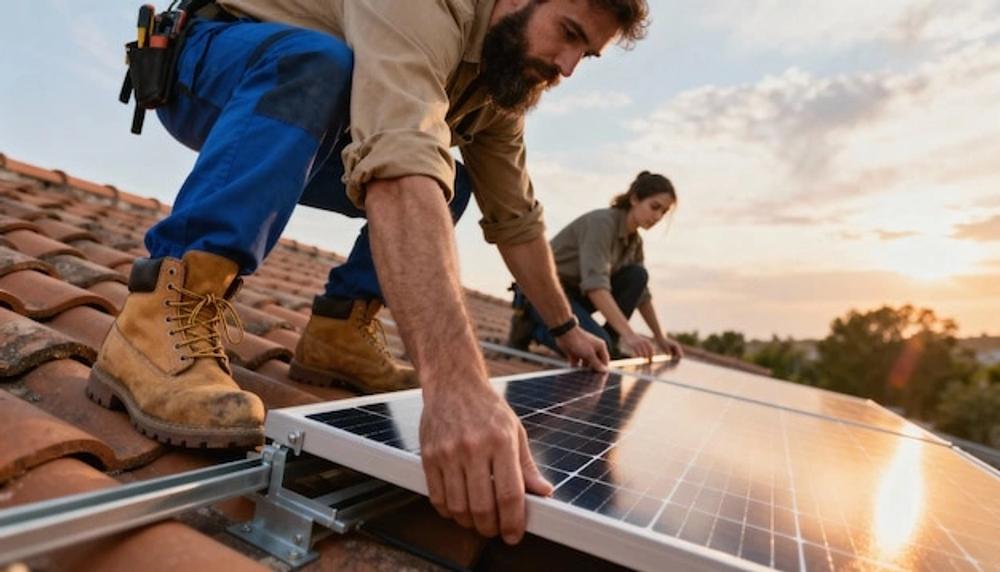
Energy-efficiency credits continue to be a key tool for taxpayers in 2026. Their permanence provides predictability and motivates people to plan renovation projects with greater confidence. At the same time, they reinforce the commitment to sustainability and the transition toward a society that understands energy consumption more responsibly.
Energy Efficient Home Improvement Credit
This credit remains available in 2026 and allows deductions for home improvements such as windows, doors, insulation, and HVAC systems. The idea is that taxpayers can access energy efficiency incentives that reduce their tax burden while improving the energy performance of their homes. By investing in these upgrades, households achieve a double benefit: lower taxes and lower energy bills.
Residential Clean Energy Credit
The residential clean energy credit covers installations such as solar panels, storage batteries, wind turbines, and geothermal heat pumps. In 2026, it continues to offer up to a 30% deduction on installation costs. One of the most important attractions of this benefit is that it helps households reduce their dependence on traditional energy sources.
Credits for clean vehicles
Credits for electric and plug-in hybrid vehicles remain in effect in 2026, along with benefits for charging infrastructure. These incentives allow more consumers to access sustainable transportation technologies, reducing emissions and fuel costs. Although not all models qualify, the range of options expands each year.
Energy Efficient Appliances and Home Upgrades
In addition to the main credits, consumers can benefit by investing in energy efficient appliances such as refrigerators, washing machines, or certified HVAC systems. These purchases, when they meet IRS and state program standards, may qualify for additional deductions or rebates.
Challenges and limitations of energy-efficiency credits

Although the energy-efficiency credits available in 2026 represent a clear opportunity for tax savings and cost reduction, they also present certain challenges for consumers. Not all improvements qualify; the amounts do not cover the total investment, and deadlines have shortened in some cases. Knowing these limitations is essential to planning and avoiding surprises when filing taxes.
Technical requirements and certifications
One of the main obstacles is that improvements must meet specific standards, such as ENERGY STAR certifications or IRS rules. This means that not every product or installation will be eligible, which can create confusion. The lack of clarity in technical requirements may lead to errors in filing and loss of the tax benefit. Professional advice can help taxpayers take advantage of the credits correctly.
Initial investment and accessibility
While credits reduce taxes, they require upfront spending on improvements or efficient equipment. For freelancers, contractors, and families with variable incomes, this initial investment can be difficult to manage. In many cases, the benefits feel more accessible to those with savings or financing capacity. Energy efficiency can therefore be seen as an unequal opportunity, conditioned by each taxpayer’s economic situation.
Deadlines and time pressure
Several credits have expiration dates or progressive reductions, forcing consumers to make quick decisions. This time pressure may exclude those who cannot invest in time or lack sufficient information to plan. Although incentives remain in 2026, the sense of a “limited window” creates uncertainty. The key is to anticipate and organize improvements before deadlines close.
Taking advantage of credits with Taxfyle
The energy-efficiency credits available in 2026 represent a major opportunity. However, technical requirements, upfront investment, and deadlines can create doubts and limit access for many taxpayers. The balance is clear: the benefits outweigh the disadvantages, but only if you have the right information and a well-planned strategy to apply each incentive correctly.
Taxfyle can be your key ally in that process. Our platform connects users with verified accountants who understand IRS provisions and know how to integrate these credits into tax returns. In this way, freelancers, contractors, and families can transform a process that might initially seem complex into real and secure savings.
Related articles

Personal taxes
Adding a Teen Driver? Here's What It Means for Your Taxes and Insurance
Adding a teen driver? Learn how it affects insurance costs, tax deductions, and smart ways to reduce expenses and plan your finances.
Apr 1, 2026
Personal taxes
Should You Use Your Tax Refund to Pay for Car Insurance?
Use your tax refund to pay car insurance upfront, save money, reduce monthly expenses, and improve your financial strategy this tax season.
Apr 1, 2026
Personal taxes
Car Loan Interest Deduction 2026: Rules, Limits, Claiming
How does the car loan interest deduction 2026 work? Discover main eligibility rules, limits, and how to claim it on your tax return.
Jan 28, 2026
Personal taxes
2026 W-4 Form: 3 Main Updates and How To Fill It Correctly
2026 W-4 form updates: learn which are the new changes, and how to complete it correctly for accurate, compliant filing with the IRS.
Jan 19, 2026